Bandipur National Park Booking Portal
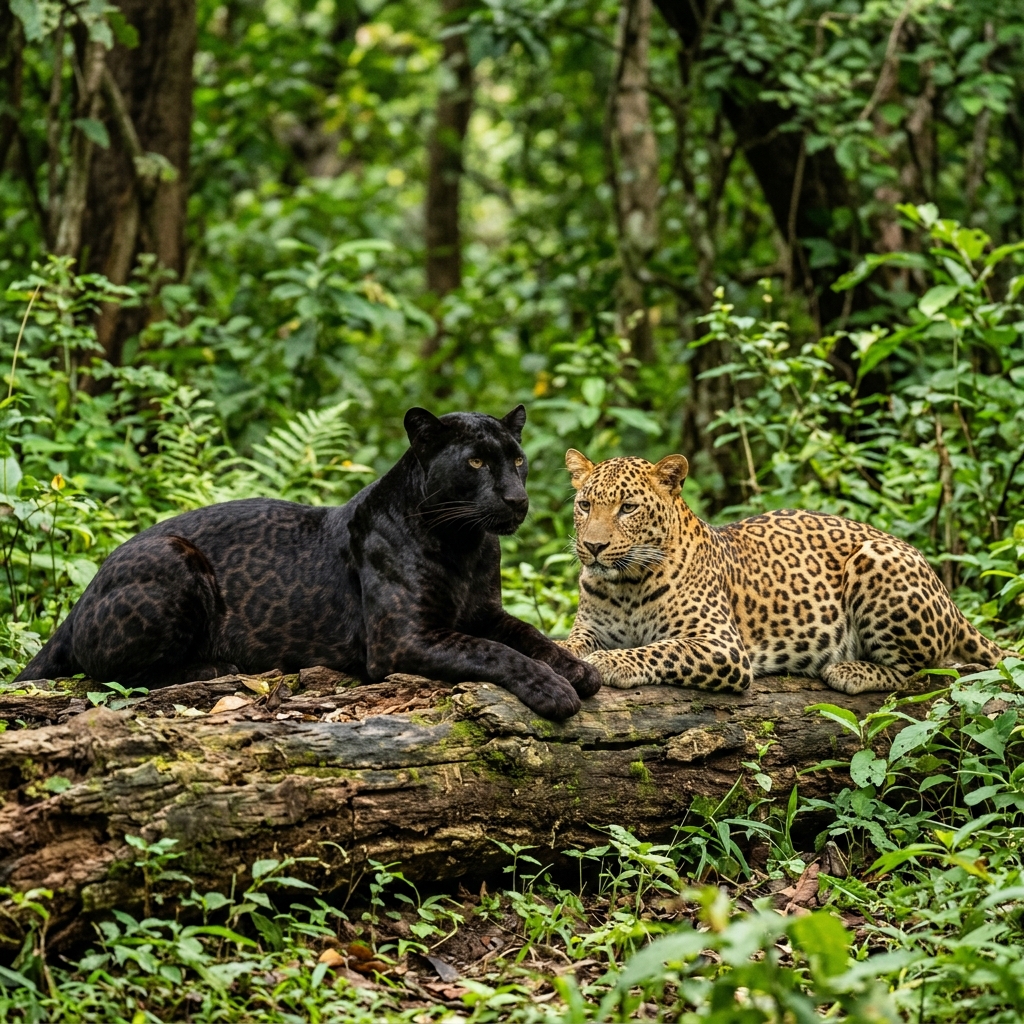
This is Bandipursafari.in, your go-to travel site for planning a memorable wildlife adventure in Bandipur National Park in Karnataka. Situated in the attractive Nilgiri region, Bandipur is famous for its dense forests, beautiful scenery, and variety of wildlife. The protected area forms part of the broader Nilgiri Biosphere Reserve and is linked to other significant nearby wildlife zones such as Nagarhole, Wayanad, and Mudumalai.
Choose safari in Bandipur
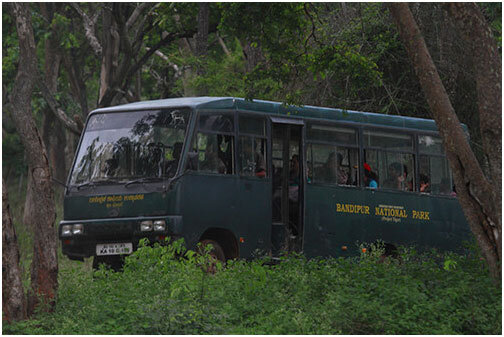
Tourism & Safari Experiences
Bandipur Tiger Reserve
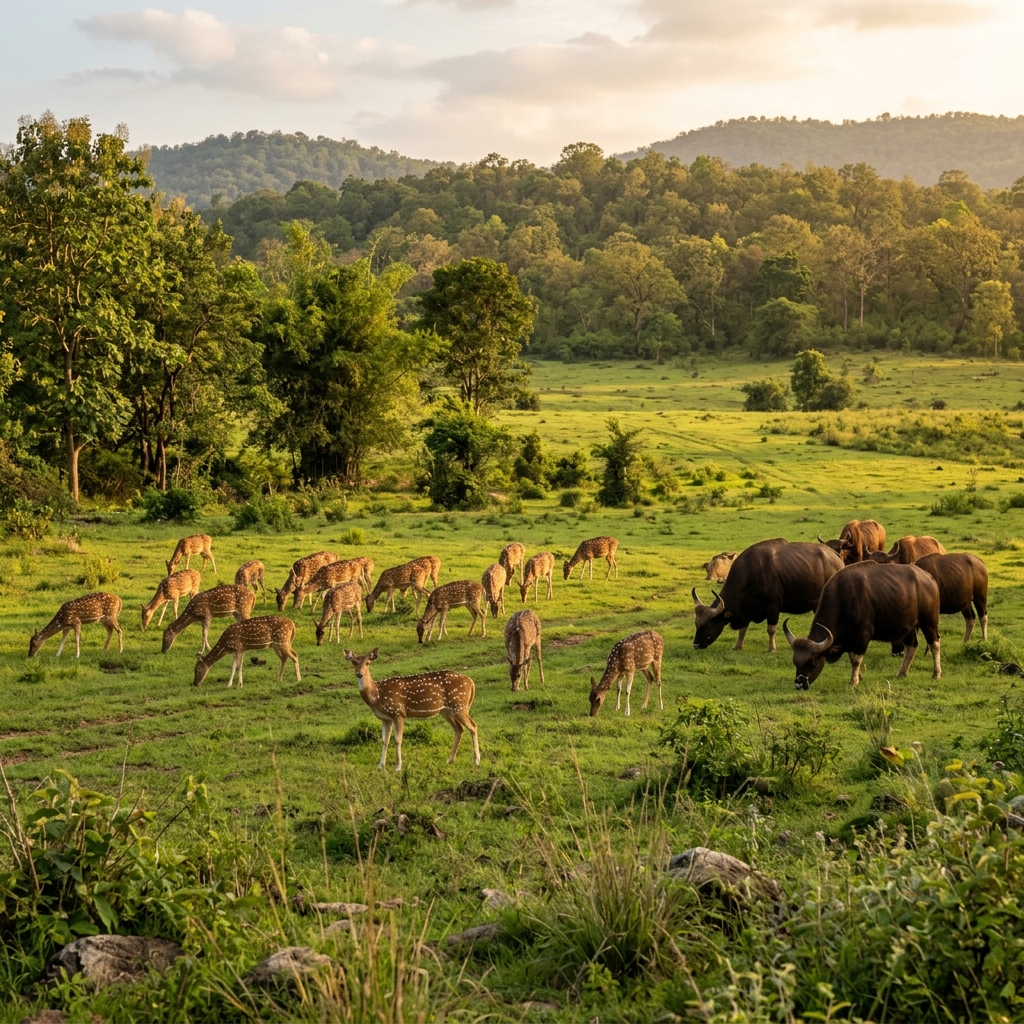
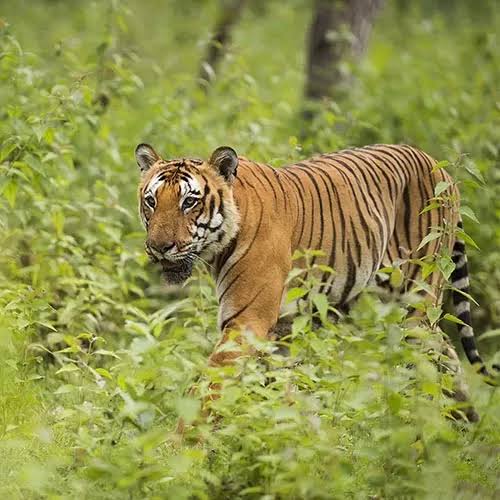
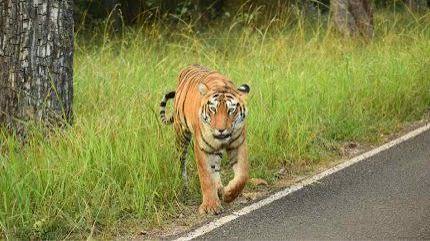
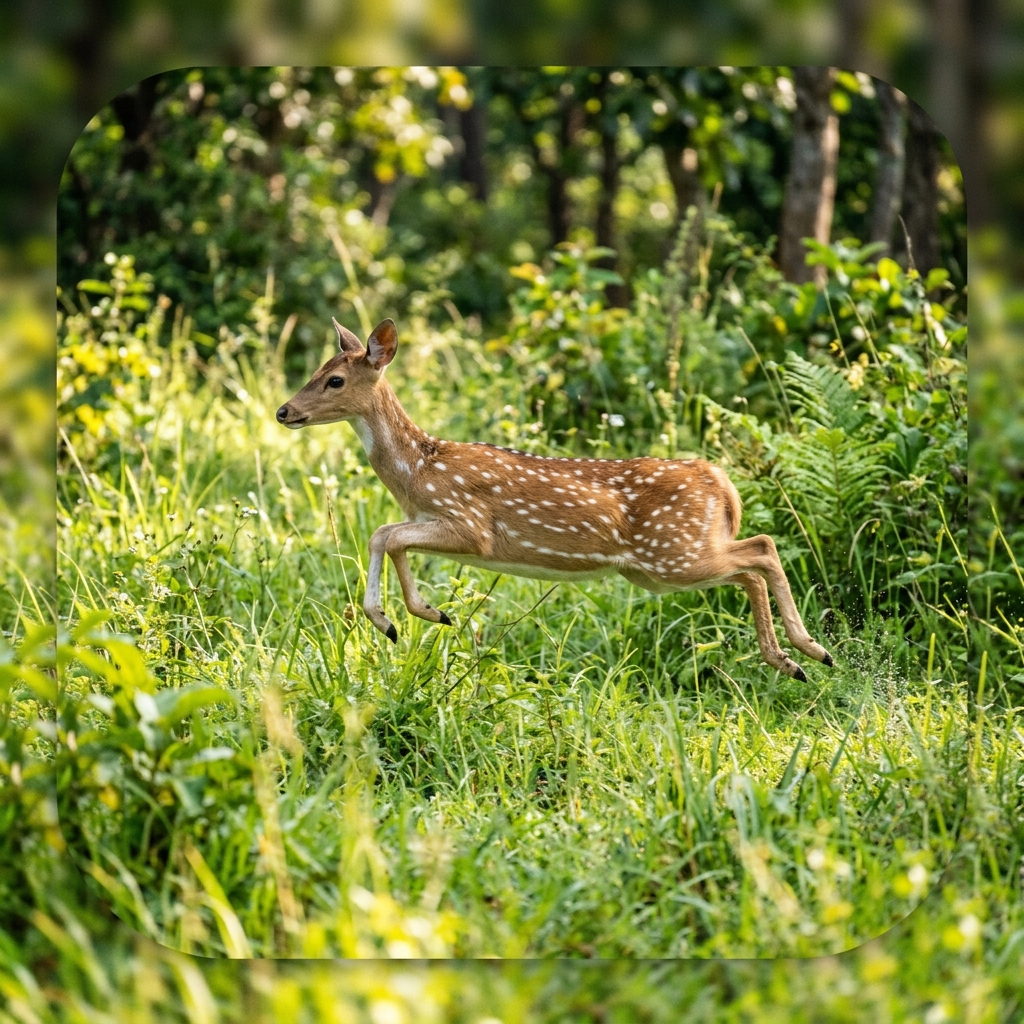
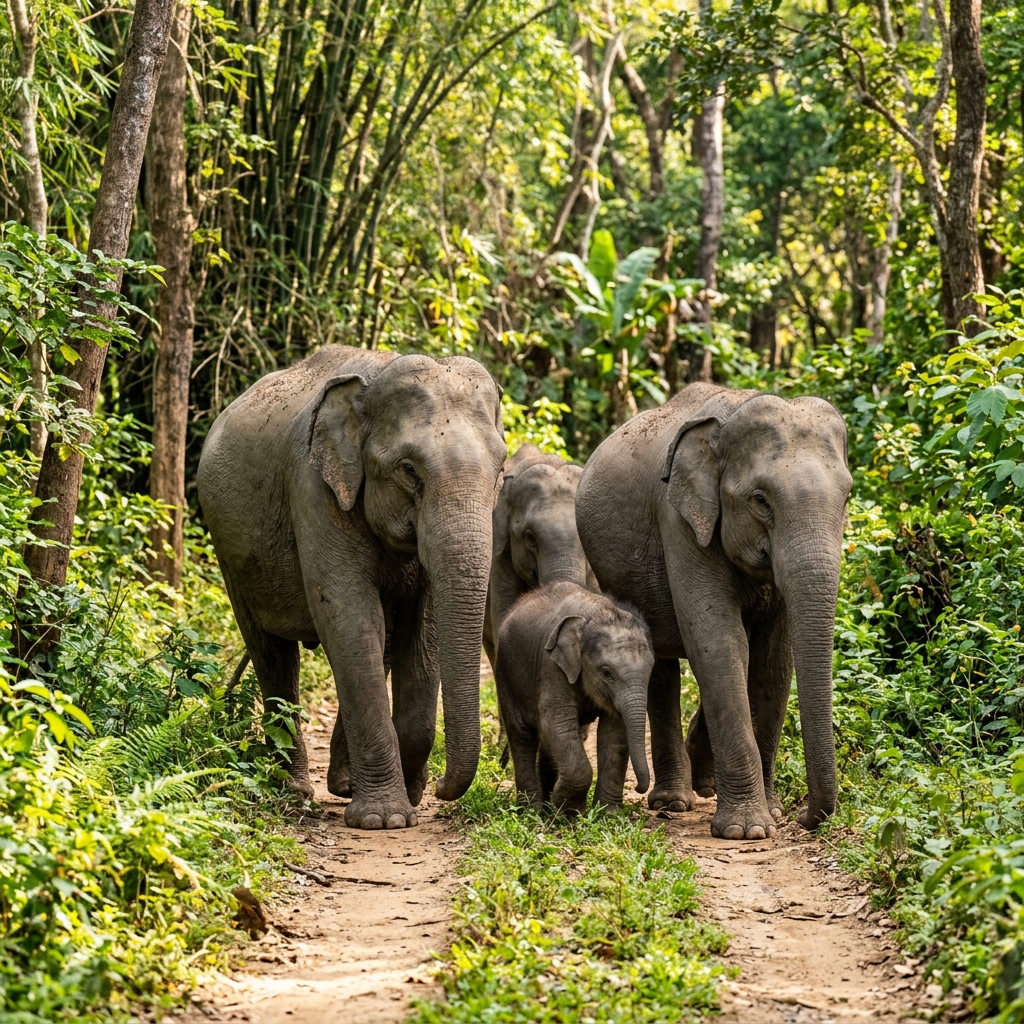
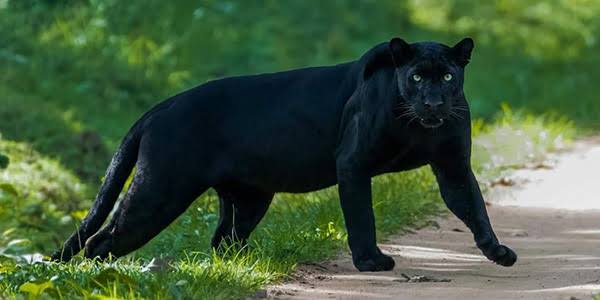
The tiger, elephant, leopard, gaur, deer, and other animals are what the Bandipur Tiger Reserve is especially famous for. People can explore the forest by taking part in safari activities that are properly regulated and make use of the chance to see the wildlife in its natural habitat.
Bandipur Safari Booking
People who are planning a holiday with a focus on wildlife can use the Bandipur Safari Booking service to organize their safari in advance; depending on availability and forest regulations, visitors may choose a Bandipur jeep safari or other approved options.
Tourism in Bandipur
Bandipur National Park has wildlife and nature tourism as one of its principal attractions; the forest landscape and its close position to Mysuru, Bengaluru, Ooty and other places make it appropriate for both weekend visits and longer holidays.
Comprehensive Itineraries
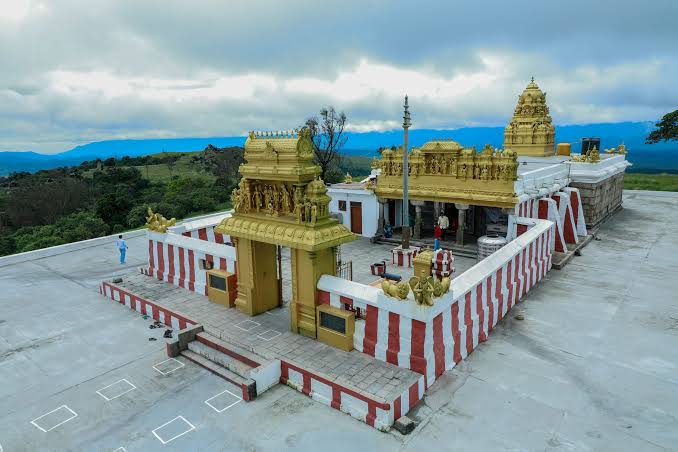
A Bandipur Safari Booking can be enjoyed as part of regulated tourism. Nearby points of interest such as Himavad Gopalaswamy Betta, local villages, forest landscapes and adjoining hill areas can be incorporated into your travel plan.
Advance Online Reservations
It is useful for wildlife enthusiasts to plan in advance, especially during weekends or holidays. Travelers can use the Bandipur Online Safari Booking service to arrange their chosen safari date before reaching the destination.
Safari in Bandipur National Park
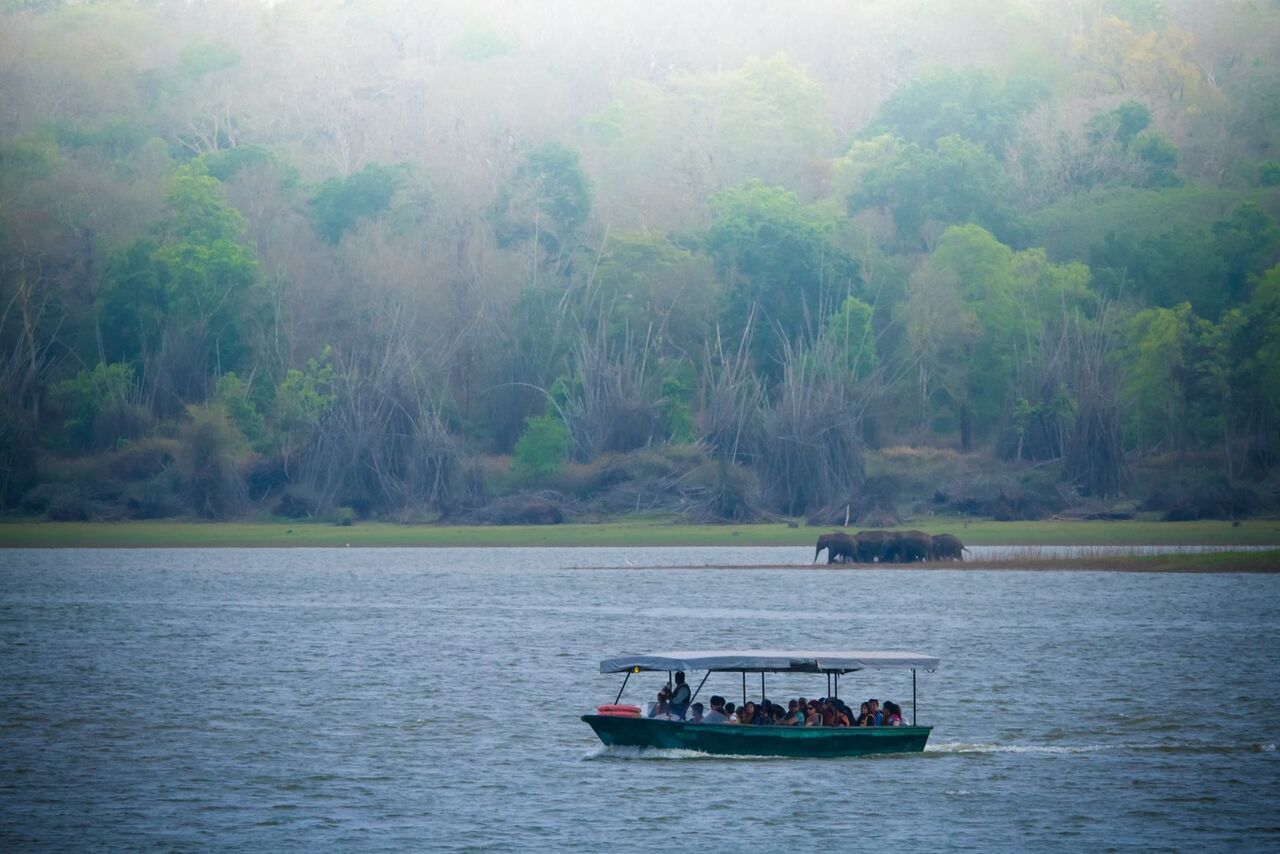
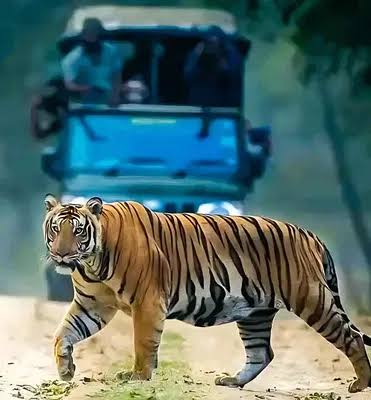
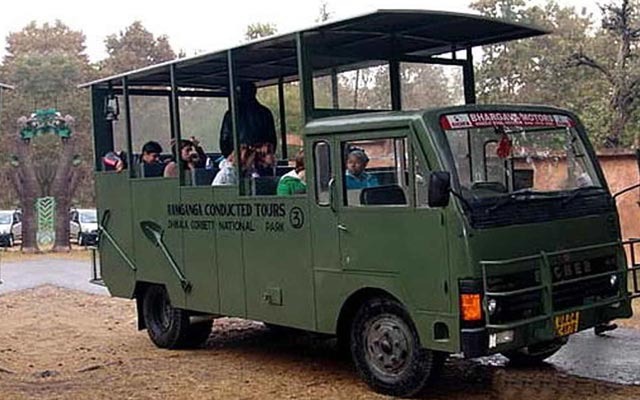
One of the most popular methods of experiencing the wilderness of Bandipur is a safari; visitors may select a Jeep Safari in Bandipur or other approved safari activities depending on the permits available and the regulations in force.
It is possible to go on a jeep safari in Bandipur which allows you to travel along prescribed forest tracks as you search for animals including elephants, deer, gaur, wild dogs, leopards, and tigers. Since the chances of seeing animals depend on the weather, animal movement, and habitat conditions, each safari provides a unique experience.